
Lorem ipsum dolor sit amet, consectetur adipiscing elit. Ut elit tellus, luctus nec ullamcorper mattis, pulvinar dapibus leo.
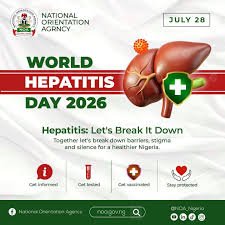
Every year on July 28, the world observes World Hepatitis Day, a moment to raise awareness about a virus that quietly affects millions of people, many of whom don’t even know they’re carrying it.
Hepatitis B Is Silent. That’s What Makes It Dangerous.
Hepatitis B is a viral infection that attacks the liver. Unlike illnesses that announce themselves with obvious symptoms, Hepatitis B often causes no symptoms at all, especially in its early stages. Many people live with the virus for years without knowing, unknowingly passing it on to others while the infection slowly damages their liver in the background.
This is why Hepatitis B is often called a “silent epidemic.” By the time symptoms appear, the virus may have already caused significant liver damage.
What Causes Hepatitis B?
Hepatitis B spreads through contact with infected blood or body fluids. Common ways the virus is transmitted include:
- Mother-to-child transmission during childbirth
- Unprotected sexual contact with an infected person
- Sharing needles, syringes, or other injection equipment
- Unsterilized medical or tattoo equipment
Hepatitis B is not spread through casual contact such as hugging, sharing food, coughing, or sneezing.
Symptoms to Watch Out For
When symptoms do appear, they can include:
- Fatigue and weakness
- Yellowing of the skin or eyes (jaundice)
- Dark urine
- Abdominal pain, especially around the liver area
Many people, however, experience none of these symptoms, which is why relying on how you feel is not a reliable way to know your status.
Acute vs. Chronic Hepatitis B
Hepatitis B infection falls into two categories:
- Acute Hepatitis B — a short-term infection that occurs within the first six months of exposure. Many adults clear the virus on their own during this stage.
- Chronic Hepatitis B — when the infection lasts longer than six months. Chronic infection carries a higher risk of liver damage, cirrhosis, and liver cancer over time, and is more common in people infected at birth or in early childhood.
How Hepatitis B Is Diagnosed
The only way to know your Hepatitis B status is through a blood test. This simple test checks for the presence of the virus and specific antibodies, and can determine whether you:
- Are currently infected
- Have recovered from a past infection
- Are immune due to vaccination
- Are a chronic carrier of the virus
Diagnosis is quick, and results typically guide the next steps, whether that’s monitoring, further liver function testing, or starting treatment.
Is Hepatitis B Treatable?
While there is currently no outright cure for chronic Hepatitis B, the infection can be effectively managed. Treatment options may include antiviral medication to slow liver damage and regular monitoring through liver function tests to track the virus’s impact over time. Many people living with chronic Hepatitis B go on to live long, healthy lives with proper medical care.
Vaccination remains the most effective way to prevent Hepatitis B infection in the first place, and it’s recommended for infants, healthcare workers, and anyone at higher risk of exposure.
What You Can Do Today
If you’ve never been tested for Hepatitis B, World Hepatitis Day is a good reason to start. If you’re unsure of your vaccination status, it’s worth checking. And if you’re at higher risk due to lifestyle, occupation, or family history, regular testing should be part of your routine health checks.
At Ren Health, we offer confidential Hepatitis B testing to help you know your status and take the right next steps for your health. We invite you to walk in and get tested today.
Address: Queen Elizabeth II Road, Beside SAO Filling Station, UCH Area, Ibadan 📞 For enquiries, call: 09136509567
Because knowing your status today could protect your liver and your life tomorrow.