

Colorectal Cancer Is Rising in Nigeria. Here's What CEA and CA 19-9 Can Tell You
Colorectal cancer rarely comes up in Nigerian health conversations. Breast cancer does. Prostate cancer does. Cervical cancer too. But colorectal cancer, which starts in the colon or rectum, has become one of the fastest-growing cancers on the continent, and most people find out about it when it has already spread.
Colorectal cancer is one of the few cancers where a polyp can be found and removed years before it turns malignant. That window exists, but only if someone is actually looking.
What Is Colorectal Cancer?
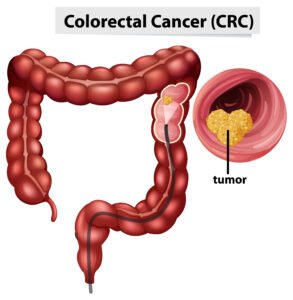
Colorectal cancer begins in the inner lining of the large intestine or rectum, almost always as a polyp. A polyp is a small, benign growth. Many polyps stay benign forever. Some, over many years, turn cancerous. The process is slow enough that regular screening can catch the problem at the polyp stage, before it becomes cancer at all.
Why This Is a Problem in Nigeria Now?
Colorectal cancer used to be associated almost exclusively with Western lifestyles: lots of red meat and processed food, low fibre intake, little physical activity, older populations. Those conditions now describe daily life for a significant portion of urban Nigeria.
Diets in Lagos, Abuja, Ibadan, and other cities have shifted considerably over the past two decades. Processed foods and refined carbohydrates are dietary staples in many homes. Sedentary work has increased. And the population is ageing. None of this is speculation; it matches the pattern that preceded rising colorectal cancer rates in Europe and North America.
The problem is compounded by low awareness. Rectal bleeding and persistent bowel changes are symptoms that often get attributed to haemorrhoids or ulcers rather than triggering a referral. Routine screening is not standard practice for most Nigerians. By the time a diagnosis is confirmed, the cancer has typically been growing for years.
Symptoms That Shouldn't Be Ignored
- Blood in the stool or rectal bleeding
- Diarrhoea or constipation lasting more than a few weeks
- A persistent feeling that the bowel isn’t emptying fully
- Unexplained weight loss or fatigue
- Abdominal pain or cramping that doesn’t resolve
These symptoms have many possible causes. But if any of them have lasted two weeks or more, the right move is a doctor’s appointment, not a guess.
What CEA and CA 19-9 Actually Tell You
Tumour markers are proteins that appear in the blood when certain cancers are present. They are not standalone tests; a single elevated reading does not confirm cancer, and a normal reading doesn’t rule it out. They are one input among several, and they are most useful when interpreted alongside a physical examination and imaging results. Two markers are relevant in colorectal cancer.
CEA (Carcinoembryonic Antigen)
Healthy adults produce small amounts of CEA. The level typically stays below 2.5 ng/mL in non-smokers; smokers often run slightly higher. When colorectal cancer is present, CEA can rise substantially, though elevated CEA also occurs with liver disease, inflammatory bowel conditions, and smoking. A notably high or steadily rising level is reason to investigate further. CEA is also used after colorectal cancer treatment; a rising level post-surgery can be the first sign of recurrence, sometimes before other symptoms appear.
CA 19-9 (Cancer Antigen 19-9)
CA 19-9 is associated primarily with pancreatic cancer but also rises in colorectal, stomach, and bile duct cancers. Normal levels are below 37 U/mL. Benign conditions, including pancreatitis and bile duct obstruction, can push it higher, so it is always read in context. When both CEA and CA 19-9 are elevated together, that combination gives clinicians a clearer basis for further investigation.
Who Should Get Tested?
Anyone 40 or older should have this conversation with their doctor. The risk is higher if you have a family history of colorectal cancer or polyps, a personal history of Crohn’s disease or ulcerative colitis, a diet heavy in processed meats and low in fibre, type 2 diabetes, obesity, or if you smoke or drink heavily. Men develop colorectal cancer more often than women, though women are not exempt. None of these risk factors are required. Colorectal cancer develops in people with no family history and no obvious predisposition.
Including CEA and CA 19-9 in an annual blood panel is low cost and low effort. It doesn’t replace colonoscopy where that is indicated, but it provides information worth having.